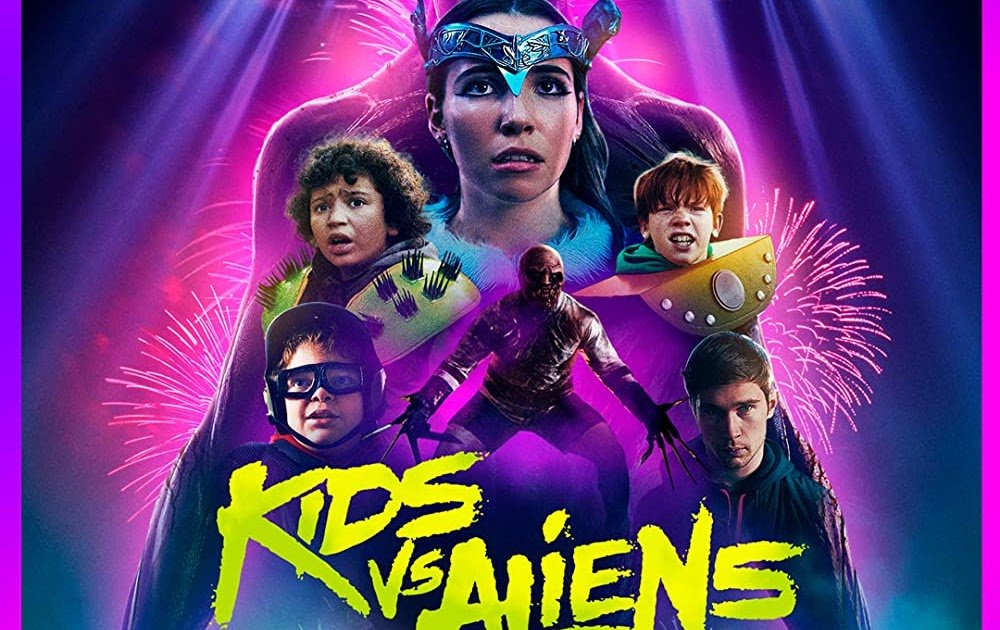
When we talk about "alien cartoons," the image that pops into mind might be vastly different depending on who's doing the watching. For some, it's the innocent adventures of a lost extraterrestrial trying to find its way home. For others, it's biting social commentary wrapped in an intergalactic package. The truth is, the cosmos of animated alien stories offers a rich tapestry, specifically designed to delight, challenge, and entertain audiences from diverse age groups.
The distinction between Alien Cartoons for Kids vs. Adults isn't always a rigid line in the sand, but rather a spectrum where themes, humor, and emotional depth calibrate to resonate with varying levels of maturity. What makes an alien story captivating for a child might be precisely what makes another one profound for an adult.
At a Glance: Navigating the Alien Cartoon Cosmos
- Kids' Cartoons: Focus on friendship, simple moral lessons, clear good-vs-evil narratives, and lighthearted humor.
- Adult Cartoons: Explore complex themes, nuanced morality, satire, dark humor, and often philosophical or existential questions.
- Crossover Appeal: Many animated alien features, especially those with high production values, offer layered storytelling that entertains both kids and adults simultaneously.
- Key Distinctions: These include character complexity, thematic depth, type of humor, emotional resonance, and visual style.
- Educational Value: Both categories often subtly (or overtly) teach empathy, critical thinking, and the importance of understanding differences.
Decoding the Divide: What Makes an Alien Cartoon "For Kids"?
When an animated alien story is primarily crafted for a younger audience, its design principles revolve around accessibility, positive reinforcement, and a sense of wonder. These films introduce children to outer space and friendly extraterrestrials through captivating stories, lovable characters, adventure, laughter, and fundamental life lessons.
Key Characteristics of Kids' Alien Cartoons:
- Relatable Protagonists and Simple Morals: Characters are often children or child-like aliens, dealing with universal issues like friendship, belonging, and empathy. The moral compass is clear: good triumphs, and kindness prevails. Think of WALL-E, a small waste-collecting robot whose journey ultimately decides the fate of humanity, or Home, where the disliked alien Oh befriends a human girl, Tip, teaching him about compassion.
- Lighthearted Humor and Adventure: Slapstick, visual gags, and playful dialogue dominate, aiming for giggles rather than introspection. Adventures are exciting but rarely truly terrifying, focusing on problem-solving and teamwork. The mischievous yet lovable Stitch in Lilo & Stitch exemplifies this perfectly, as Lilo teaches him about family despite his destructive programming. This original release led to three other movies in the franchise, showcasing its enduring appeal.
- Clear Good vs. Evil Narratives: Villains are typically one-dimensional and easily identifiable, serving as catalysts for the heroes' growth without delving into complex motivations. In Monsters Vs. Aliens, the evil, Quantonium-obsessed alien Gallaxhar and his robot probes provide a straightforward antagonist for Susan and her monster team.
- Vibrant Visuals and Approachable Design: Animation styles are usually bright, colorful, and feature friendly, non-threatening alien designs. Even the "scarier" aliens are often quickly revealed to be harmless or misunderstood. Astro Kid, where 10-year-old Willy explores an unknown planet, showcases a vibrant world with creatures that, while initially dangerous, are part of his journey of discovery.
- Emotional Accessibility: While there might be moments of sadness or tension, they are resolved quickly and reinforce positive outcomes. The focus is on hope, resilience, and the power of connection.
Examples Primarily Aimed at Kids: - Lilo & Stitch: A Hawaiian girl adopts a mischievous alien pet built to destroy, teaching him about the importance of family.
- WALL-E: A charming robot’s space journey with profound environmental messages.
- Home: A lovable alien learns about friendship and family from a human girl.
- Astro Kid: A young boy's solo adventure on an alien planet, proving his bravery.
- Phineas and Ferb the Movie: Candace Against the Universe: A classic example of kid-friendly alien abduction turned hilarious adventure, emphasizing sibling bonds and wacky solutions.
The Grown-Up Galaxy: Alien Cartoons (and Animated Features) for Adults
The landscape of adult alien animation is far less constrained. It's a space where storytellers can tackle complex philosophical questions, political satire, existential dread, or even outright horror, all within the boundless creativity of animation. While the term "alien cartoons" might conjure images of Saturday morning fare, many animated features and series are undeniably crafted for an adult sensibility.
Key Characteristics of Adult Alien Animation:
- Complex Themes and Nuanced Morality: These stories often explore ethical dilemmas, the darker aspects of human (and alien) nature, societal critiques, or the absurdity of existence. Good and evil are rarely black and white. Think of the cynical, dimension-hopping adventures in Rick and Morty or the bureaucratic nightmares of Futurama.
- Darker Humor and Satire: The comedy is often layered with irony, political commentary, adult references, and an appreciation for the absurd or macabre. It challenges norms and can be deeply satirical of human society and institutions.
- Challenging Visuals and Mature Content: Animation styles can range from gritty and realistic to highly stylized and abstract, often pushing boundaries. They might depict violence, mature themes, or unsettling imagery that would be inappropriate for children.
- Deep Emotional and Philosophical Depth: Characters grapple with loss, identity, purpose, and the vastness of the universe in profound ways. Endings are not always happy or neat; ambiguity is common.
- Exploring the "Other": Adults-oriented alien stories frequently use extraterrestrials as a lens to examine what it means to be human, our fears of the unknown, and our capacity for both great good and great cruelty.
Examples with Strong Adult Appeal (and why some "kids" films aren't just for kids):
While not typically labeled "cartoons" in the traditional sense, films like Forbidden Planet (a 1956 space opera that influenced Star Trek and Star Wars) illustrate foundational alien narratives for adults. Its story, adapting Shakespeare, delves into humanity's baser instincts when confronted with alien power. Similarly, Gremlins, released in 1984, featuring Gizmo and the mischievous Mogwai, is cited as one of the movies that created the PG-13 rating for a reason—its horror-comedy elements and darker tone make it far from a simple children's cartoon. These examples, though not animated, highlight the mature themes that alien narratives can carry.
For animated examples specifically for adults, popular shows like Rick and Morty, Final Space, or Invincible showcase complex alien species, morally ambiguous characters, and mature themes often wrapped in dark humor and intense action.
Where Worlds Collide: The Shared Universe of Crossover Appeal
This is where the magic truly happens – the sweet spot where Alien Cartoons for Kids vs. Adults finds common ground. Some of the most beloved animated alien stories are those that skillfully weave together layers of meaning, humor, and emotional resonance, making them enjoyable for a six-year-old and their sixty-year-old grandparent alike. These are the films that become cultural touchstones, sparking conversations and shared experiences across generations.
The Recipe for Crossover Success:
- Relatable Human Emotion at its Core: Regardless of the alien setting, these stories often ground themselves in universal human experiences: the desire for connection, overcoming loneliness, dealing with loss, or finding one's place in the world. E.T. the Extra-Terrestrial, for instance, is fundamentally about a young boy befriending a lost alien and helping him find his way home – a story of profound friendship and empathy that tugs at heartstrings of all ages.
- Layered Humor: A good crossover alien cartoon will offer different jokes for different age groups. There's the slapstick for the kids, clever wordplay or cultural references for the adults, and plenty of visual gags that everyone can enjoy. Space Jam epitomizes this, blending live-action with animation and slapstick comedy, where the alien antagonist Swackhammer seeks to enslave the Looney Tunes for his theme park. It's cartoon antics for kids, but the self-aware humor and celebrity cameos land with adults.
- Visual Sophistication and Artistic Merit: High-quality animation, compelling character design, and imaginative world-building appeal universally. When the artistry is exceptional, it draws in everyone. The Iron Giant, an underrated animated movie from the '90s, set in 1957, tells the story of a nine-year-old boy discovering an enormous mechanical alien. Its timeless animation, deep emotional core about prejudice and heroism, and Vin Diesel's iconic voice work make it a classic that resonates with all ages. Similarly, Treasure Planet, a steampunk update of "Treasure Island," boasts a brilliant visual style that captivates viewers despite its initial box office performance.
- Thematic Depth That Grows With You: While the surface story might be simple for kids, deeper themes are subtly woven in, waiting to be discovered as the viewer matures. Environmentalism, anti-war messages, overcoming prejudice, or understanding different cultures can all be explored. The Iron Giant is a prime example, offering a powerful anti-war message and a lesson in judging based on character, not appearance, that truly hits home for adults.
- Nostalgia Factor for Adults: Sometimes, a film designed for a younger audience carries enough quality and charm that adults who grew up with it return to it, finding new meaning or simply enjoying the comfort of nostalgia. Films that blend live-action with animation, like Space Jam, often achieve this by appealing to existing fanbases.
These shared experiences create a bridge, reminding us that at our core, we all appreciate a good story, especially one that takes us beyond the stars. For a deeper dive into the vast world of alien animation, you might explore All About Alien Cartoons.
Beyond the Screens: What We Learn from Our Alien Friends (and Foes)
Regardless of whether an alien cartoon is targeted at kids or adults, these stories often serve as powerful allegories for understanding ourselves and our world. They offer a safe space to explore complex ideas:
- Empathy and Understanding: By presenting characters who are fundamentally "other," alien narratives challenge us to see beyond differences and find common ground. They teach us to accept, rather than fear, what we don't understand.
- Environmentalism and Stewardship: Many alien stories, like WALL-E, use extraterrestrial perspectives to highlight humanity's impact on its home planet, inspiring a sense of responsibility.
- Questioning Authority and Prejudice: Stories like The Iron Giant subtly critique fear-mongering and the rush to judgment, encouraging critical thinking and challenging ingrained biases.
- The Power of Connection: From lonely robots to lost extraterrestrials, these tales consistently emphasize the fundamental human (and alien) need for friendship, family, and belonging.
Choosing Your Cosmic Companions: A Guide for Families
When deciding which alien cartoons to watch, especially when bridging the gap between kids and adults, a thoughtful approach can enhance the viewing experience for everyone.
Decision Criteria:
- Age-Appropriateness is Key: Don't just rely on ratings. A PG-13 movie like Gremlins, while animated in parts, is far too intense for young children due to its horror elements and themes. Look for reviews or parental guides that specifically address the content.
- Consider Thematic Depth: For younger children, stick to simpler narratives focused on friendship and discovery. As children grow, introduce films with more complex emotional layers or subtle themes that can spark discussion.
- Humor Style: If your family enjoys slapstick, many kid-friendly options abound. If you're looking for something with a bit more wit or satire that adults can appreciate, look for films known for their clever writing and layered jokes.
- Co-Viewing Potential: The best crossover films are designed to be watched together. They offer enough surface-level entertainment for kids while providing deeper meaning or sophisticated humor for adults. This creates shared moments and discussion opportunities.
- Visual Impact: Some families prioritize stunning animation and imaginative worlds. Films like Treasure Planet or WALL-E are visual masterpieces that can be appreciated by all.
Pitfalls to Avoid:
- Assuming "Animation = For Kids": This is the biggest misconception. Adult animation is a thriving genre, and misjudging a title can lead to uncomfortable viewing experiences. Always check the intended audience.
- Ignoring Subtext: While kids might enjoy the action, adults can often pick up on deeper social commentary or philosophical questions. Missing these can diminish the film's full impact.
- Forcing a Fit: If a film isn't landing with either the kids or the adults, it's okay to try something else. The goal is enjoyment, not endurance.
Frequently Asked Questions About Alien Cartoons
Q: Are all animated movies with aliens suitable for children?
A: Absolutely not. Many animated films and series featuring aliens are created specifically for adult audiences, containing mature themes, violence, language, or complex existential concepts unsuitable for kids. Always check ratings and content guides.
Q: What makes an alien character appealing to both kids and adults?
A: Universal relatability. Characters like E.T. or The Iron Giant, despite being aliens, embody universal traits like loneliness, curiosity, a desire for friendship, or the struggle to understand their place. Their emotional journey resonates across ages.
Q: How do alien cartoons for adults differ visually from those for kids?
A: Visually, adult alien cartoons often employ more nuanced or darker color palettes, detailed and sometimes grotesque character designs, and can depict violence or realistic scenarios that children's cartoons avoid. They may also use experimental or avant-garde animation styles.
Q: Can alien cartoons teach kids about important real-world issues?
A: Definitely. Many kid-friendly alien cartoons subtly introduce themes like environmentalism (WALL-E), anti-bullying, overcoming prejudice (The Iron Giant), and the importance of family and acceptance (Lilo & Stitch, Home).
Q: Why do so many classic alien stories for kids have an adult fan base?
A: Often, it's a combination of nostalgia, layered storytelling that reveals new depth upon re-watching, universal themes that stand the test of time, and high artistic quality that ensures enduring appeal.
Navigating the Nebula: Your Next Steps in Alien Cartoon Exploration
The universe of alien cartoons is vast and varied, offering something for every taste and every age. Whether you're seeking a heartwarming tale of interspecies friendship for the family or a thought-provoking satire that challenges your perspective, the right alien animation is out there.
Start by considering what themes resonate most with you or your family. Are you looking for laughter, adventure, a good cry, or a mind-bending puzzle? Then, explore the recommendations, paying close attention to the nuances between kid-focused, adult-focused, and those exceptional crossover titles. Don't be afraid to revisit old favorites, as you might find new layers of meaning you missed before. The best alien cartoons, after all, are those that remind us that even across galaxies, the stories that connect us are fundamentally the same.