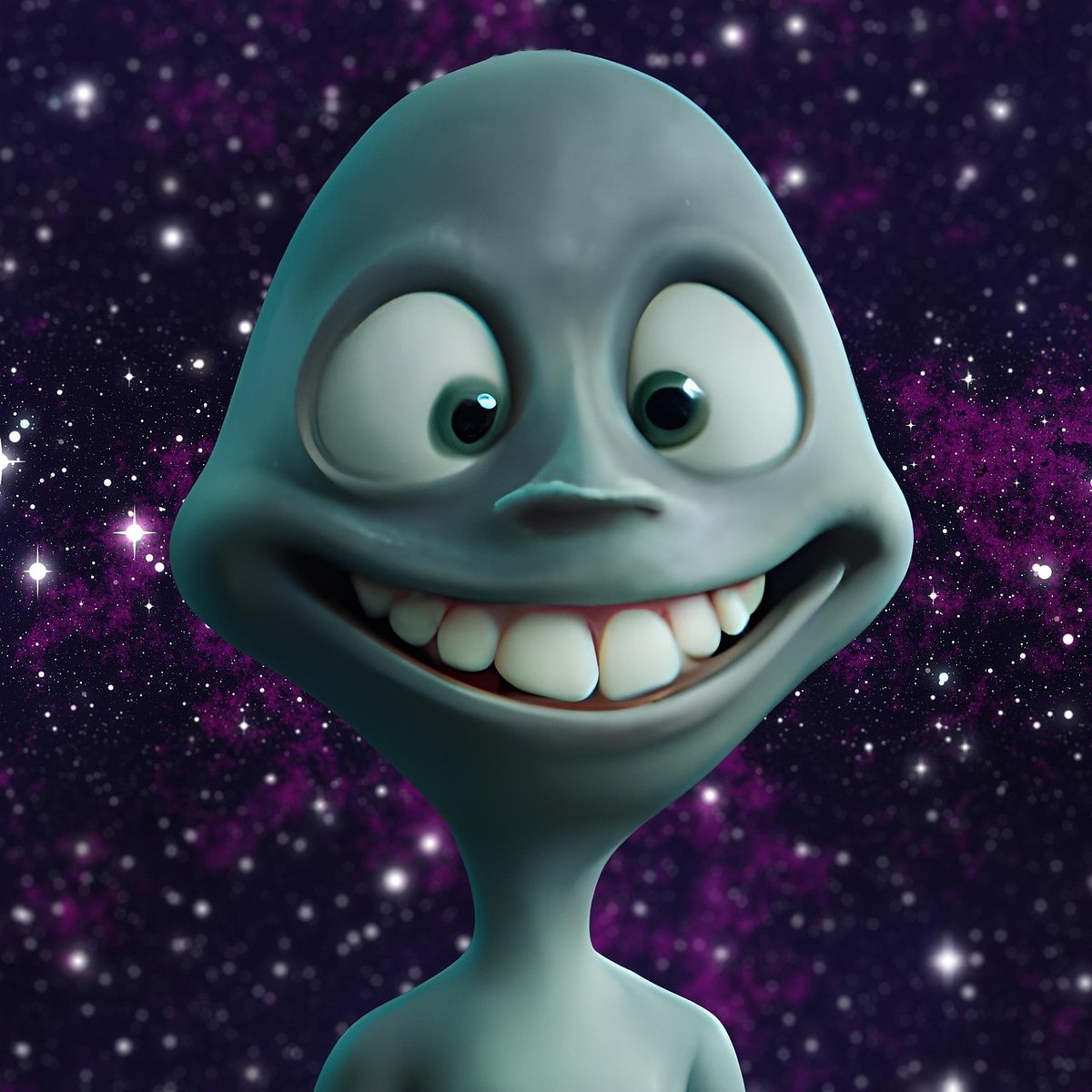
Few things ignite the imagination quite like the vast unknown, and when it comes to storytelling, nothing embodies the "unknown" better than aliens. From little green men to cosmic conquerors, extraterrestrial beings have played a foundational role in defining entire animated universes. But what makes these otherworldly characters so captivating, especially in the vibrant, often outlandish world of cartoons? It boils down to a rich tapestry of established "alien tropes" – recurring themes, character types, and narrative devices that writers and animators leverage to tell truly out-of-this-world stories.
These aren't just one-off gags; they're the DNA of countless beloved series, shaping everything from character design to overarching plotlines. Understanding these tropes isn't just for creators; it's for anyone who loves diving deep into their favorite animated worlds, recognizing the clever ways these familiar elements are twisted, celebrated, or even subverted.
At a Glance: Diving into Alien Cartoon Tropes
- The Appeal of the Alien: Explore why we're so drawn to stories about beings from beyond Earth, and how cartoons amplify this fascination.
- Core Archetypes: Discover the recurring alien character types, from benevolent protectors to chaotic invaders and quirky outsiders.
- Narrative Frameworks: Unpack the common plotlines and storytelling devices that propel alien cartoons forward, like first contact, invasions, and cosmic quests.
- Visual & Audio Language: Understand how animators use design, sound, and movement to bring alien worlds and characters to life.
- Cultural Reflections: See how alien cartoons often mirror or satirize human society, values, and fears.
- Crafting Your Own: Gain insights into how these tropes can inspire your own creative storytelling.
Why the Cosmos Calls: The Enduring Allure of Alien Cartoons
What is it about aliens that consistently draws us in? Perhaps it’s the boundless potential for wonder, the reflection of our own hopes and anxieties, or simply the thrill of encountering something utterly different. Cartoons, with their inherent flexibility and freedom from the constraints of live-action realism, are the perfect medium to explore these themes without limits. They can give us aliens that are purely abstract, impossibly cute, or terrifyingly bizarre, pushing the boundaries of imagination in ways live-action often can't.
This freedom allows cartoonists to distil complex sci-fi concepts into digestible, often hilarious, or deeply resonant narratives. They can take core ideas from science fiction's more serious branches – like the existential dread of H.R. Giger's Xenomorphs or the societal commentary of Star Trek – and translate them into stories accessible to all ages, from preschoolers to adult animation enthusiasts. The very act of animating an alien provides an opportunity for boundless creativity in form, function, and personality.
The Core Alien Archetypes: Who’s Visiting (or Invading) Your Screen?
Every great alien cartoon starts with compelling characters. Many of these characters, whether heroes or villains, fit into recognizable archetypes, or what we call tropes. These aren't limitations; they're springboards for creativity, allowing creators to play with audience expectations.
The Benevolent Protector & Wise Guide
These aliens often arrive to safeguard humanity, offer ancient wisdom, or prevent galactic catastrophes. They're typically more advanced, morally upright, and sometimes a bit stoic. This trope borrows heavily from the "Alien Protector" concept, where an extraterrestrial acts as a guardian. In cartoons, this dynamic is often seen in mentors or newfound friends.
- Examples: Think of Groot from Guardians of the Galaxy (animated series), whose loyalty and simple wisdom make him an invaluable ally. Or consider the benevolent "Homeworld Gems" in Steven Universe who eventually become allies, guiding Steven and Earth in their understanding of the cosmos. These characters often bring incredible powers and a strong moral compass to the narrative, serving as a beacon of hope or a source of much-needed assistance. Their alien perspective allows them to see human problems with a fresh, often profound, clarity.
The Antagonist: Invader, Overlord, and the Insidious Threat
On the flip side, many cartoons feature aliens as the primary antagonists, often driven by conquest, resource acquisition, or sheer malice. This category encompasses the classic "Alien Invasion" scenarios, where Earth or other planets face an existential threat. These villains often come with vast fleets, advanced weaponry, and a megalomaniacal leader.
- The Conqueror: Characters like Invader Zim embody the classic alien conqueror, albeit a hilariously incompetent one. His entire existence is predicated on dominating Earth, even if he consistently misunderstands human culture.
- The Cosmic Overlord: Think of Lord Hater from Wander Over Yonder, a skeletal alien whose sole purpose is to be the universe's greatest villain, constantly trying to conquer planets and defeat Wander.
- The Insidious Force: Sometimes, the alien threat is less about outright invasion and more about infiltration or parasitic control. While less graphic than the "Face Full of Alien Wing-Wong" or "Chestburster" elements from the Alien franchise, cartoons can hint at similar ideas with body-snatching aliens or creatures that influence minds. The threat often comes from their bizarre biology, making them hard to defeat.
- Example: In Lilo & Stitch, the initial threat of Jumba Jookiba's experiments, especially Experiment 626 (Stitch), revolves around their destructive capabilities designed for chaos. While Stitch later becomes a hero, his initial design represents a biological weapon, echoing the "Obsessed with Deadly Item" trope where antagonists seek to weaponize unique alien traits. The "Bug War" often manifests in cartoons as large-scale battles against swarms of alien creatures, providing ample opportunities for action and comedy.
The Comic Relief & Quirky Outsider
Not all aliens are here to save or destroy. Many are just... weird. This trope leverages the inherent strangeness of extraterrestrial life for comedic effect, often through culture clash or their peculiar habits. They might be a "Sympathetic Outsider" if their quirks lead to misunderstanding and loneliness.
- Examples: Roger from American Dad! is a master of disguise and a bottomless pit of neuroses, whose alien nature allows for endless situational comedy and social commentary. Bender Bending Rodriguez from Futurama, while an android, exemplifies the "A.I. Is a Crapshoot" trope that often extends to alien-adjacent characters. His chaotic, self-serving nature, contrasted with moments of genuine friendship, is central to the show's humor. His "Machine Blood" is a comical blue fluid, a lighter take on the grotesque body horror of other franchises. These characters often challenge norms and provide a fresh, often humorous, perspective on human customs.
The Sympathetic Outsider & Abductee
These aliens often find themselves displaced, misunderstood, or grappling with their identity. The "Alien Abduction" trope isn't always about terror; in cartoons, it can be the starting point for unexpected friendships or a journey of self-discovery. This also ties into "Forbidden Love" (or friendship) where bonds form across species despite societal pressures.
- Examples: Stitch (Lilo & Stitch) is a prime example. He's an alien experiment on the run, initially destructive but seeking a family. His journey from destructive alien to beloved family member is a powerful narrative of acceptance. Similarly, characters experiencing "Forbidden Love" or "Fated Mates" can navigate profound emotional journeys, learning about themselves and others through their unique bonds, even if those bonds are with other species. This often leads to deep emotional intensity and personal growth, highlighting how "love" or "friendship" transcends species.
Narrative Playbooks: Storytelling Fueled by Alien Tropes
Alien cartoons aren't just about the characters; they're about the stories those characters inhabit. Several narrative frameworks are repeatedly used, each offering distinct opportunities for adventure, humor, and heart.
First Contact and Culture Clash
This is perhaps the most fundamental alien cartoon trope. It explores the humorous or dramatic misunderstandings that arise when two vastly different cultures (human and alien) meet for the first time. The "Alien Abduction" concept often serves as the initial trigger for this, thrusting a human character into an unfamiliar alien world, or an alien into ours.
- How it Works: The comedy often comes from misinterpretations of language, customs, technology, and social norms. The drama can stem from fear, prejudice, or the struggle to communicate.
- Examples: Invader Zim's entire premise is a perpetual culture clash, with Zim constantly failing to understand Earth while humanity (mostly) remains oblivious to his alien identity. In Ben 10, Ben frequently encounters new alien species, leading to negotiations, fights, and learning to bridge understanding. This trope often highlights the "Bizarre Alien Biology" as a source of both wonder and confusion.
Invasion, Resistance, and The Threat from Above
A classic conflict where an alien force attempts to conquer Earth (or another planet), prompting a desperate resistance. This trope taps into the "Alien Invasion" fear, often scaled down for comedic or action-oriented animation. The narrative often features "Space Marines" (or their cartoon equivalents) and the looming threat of a "MegaCorp" or "N.G.O. Superpower" seeking to exploit the aliens or humanity.
- How it Works: Focuses on action, strategy, and the heroism of ordinary characters. The stakes are usually high, even if played for laughs. It's common to see a "Dwindling Party" dynamic, albeit less morbidly than in live-action horror, emphasizing the challenge of the alien threat.
- Examples: In Duck Dodgers in the 24½th Century, Daffy Duck's incompetent space hero constantly foils the Martian Commander X-2's attempts to conquer Earth. Similarly, many episodes of Futurama feature the Earth military defending against various alien aggressors, often with mixed, hilarious results. Even Lilo & Stitch begins with Stitch as a creature of mass destruction, a one-alien invasion force, before his redemption arc. The idea of a "Villain-Based Franchise" where the conflict is defined by the alien threat is very evident here.
The Cosmic Quest & Fated Destinies
Many alien cartoons involve a grand journey across the stars, often to uncover ancient secrets, fulfil a prophecy, or find a lost home. This can tie into the "Fated Mates" concept, where characters are destined to meet or fulfil a shared purpose, or the "Myth Arc" of an entire universe's origins. It might involve a "Sleeper Starship" journey, awakening to a new future.
- How it Works: Emphasizes exploration, mystery, and character growth. Characters often encounter diverse alien species and cultures, building a broader understanding of the universe.
- Examples: The overarching narrative of Steven Universe is a cosmic quest to understand the origins of the Crystal Gems, their war with Homeworld, and Steven's own half-human, half-Gem identity. This involves deep dives into alien history, ancient powers, and the concept of "Recursive Creators" (the Gems creating other Gems, much like the Engineers in the Alien universe creating humanity). Similarly, the "Alien (Franchise)" reference to Engineers as a precursor race that created humans has a subtle echo in cartoons where powerful, ancient alien species are revealed to be the source of advanced technology or even life itself.
The Odd Couple & Found Family
This trope often revolves around an unlikely pairing of a human and an alien, or two disparate aliens, who form a bond. It’s a powerful way to explore themes of acceptance, prejudice, and what it means to belong. It beautifully merges elements of "Forbidden Love" (reimagined as a forbidden friendship or bond) and the "Sympathetic Outsider."
- How it Works: The humor and heart come from their differences, their contrasting perspectives, and their journey to understand and rely on each other. It often creates a "found family" dynamic, especially for characters who feel like outsiders.
- Examples: Lilo & Stitch is the quintessential example, showcasing how a Hawaiian girl and a destructive alien experiment forge an unbreakable bond built on "Ohana" (family). Star vs. The Forces of Evil features Star Butterfly, a magical princess from another dimension, living on Earth with her human friend Marco Diaz, creating a delightful dynamic of adventure and mutual growth.
Parody and Subversion: Playing with Expectations
Seasoned creators often take established alien tropes and twist them, either for comedic effect or to make a deeper point. This is where cartoons truly shine, as they can exaggerate, deconstruct, or invert expectations.
- How it Works: Recognizes audience familiarity with tropes and then cleverly deviates. This can lead to unexpected humor, poignant moments, or sharp social commentary.
- Examples: Rick and Morty is a masterclass in subverting sci-fi and alien tropes, often presenting horrifying or morally ambiguous situations with dark humor. They might use a familiar "Alien Protector" setup only to reveal the protector is deeply flawed or has ulterior motives. The show often plays with the "Humans Are the Real Monsters" trope, showing that Rick and humanity can be far more destructive or selfish than any alien threat. Even elements like "Psychosexual Horror" are often parodied for comedic effect, taking mature themes and twisting them into absurd scenarios.
Behind the Ink: How Animators & Writers Bring Aliens to Life
The magic of alien cartoons isn't just in the stories; it's in the execution. Animators and writers employ specific techniques to make these otherworldly beings feel real, whether they're meant to be fearsome, friendly, or funny.
Visual Storytelling: Design as Character
An alien's design communicates volumes before a single word is spoken. Color palette, body shape, number of limbs, and facial features all play a crucial role in establishing personality and intent. This is where the "Bizarre Alien Biology" really comes to life in a visually distinct way.
- Tips for Creators:
- Silhouette: Can you recognize the alien from its shadow? Iconic silhouettes like Stitch's six limbs or Zim's large head make them instantly identifiable.
- Color Theory: Bright, soft colors might suggest friendliness (e.g., Home's Boov), while muted, sharp colors can hint at danger or advanced, cold intellect.
- Exaggeration: Cartoons excel at exaggeration. A tiny head on a massive body, multiple eyes, or bizarre skin textures become character defining traits. Think of the unique, often monstrous yet adorable, designs for the various Omnitrix aliens in Ben 10.
Bizarre Biology, Simplified for Screens
While live-action sci-fi often delves into complex alien physiology (like the Xenomorph's acid blood or silicon mesoskeleton), cartoons simplify or humorize these aspects. The goal is often visual appeal or gag potential rather than scientific accuracy.
- Example: If an alien has super strength, the animation might show them effortlessly lifting a car with one hand. If they have super speed, they blur across the screen. These biological quirks, even if not fully explained, are central to their character and how they interact with their environment. The "Puzzle Boss" aspect of the Alien franchise, where the Xenomorph's unique biology requires clever solutions, translates to cartoons as aliens with specific weaknesses or unusual powers that require inventive thinking to overcome.
The Power of the Unfamiliar: Sound, Movement, and Language
Beyond looks, how aliens move, sound, and communicate is vital. These elements reinforce their alienness and contribute significantly to their character.
- Movement: A slithering gait, robotic precision, or hyperactive bouncing can convey personality. Does an alien glide gracefully, or does it awkwardly waddle? This tells us a lot about their physical nature and culture.
- Vocalizations: Unique voices, clicks, whistles, or a distinct speech pattern (like Groot's "I am Groot") instantly set an alien apart. These can range from comical (Zim's high-pitched yelling) to profound.
- Language Barriers: The "First Contact" trope often uses language barriers for comedy or as a plot device. How do characters overcome this? Universal translators, learning a new language, or simply relying on gestures and context.
The Enduring Legacy: Alien Cartoons as Cultural Mirrors
Alien cartoons are more than just entertainment; they often serve as powerful cultural mirrors, reflecting our hopes, fears, and evolving understanding of ourselves. They explore themes of prejudice, acceptance, environmentalism, and the ethics of technology, all wrapped in engaging, accessible narratives.
- Societal Commentary: Just as the Alien franchise reflects fears of corporate greed ("Corrupt Corporate Executive," "MegaCorp") and humanity's destructive tendencies ("Humans Are the Real Monsters"), cartoons often tackle similar issues in a gentler, more allegorical way. A "Class Struggle" might be simplified to an evil empire oppressing its subjects, highlighting themes of justice and freedom.
- Understanding the "Other": By presenting beings from vastly different worlds, cartoons encourage empathy and challenge preconceived notions. They teach us that "different" doesn't necessarily mean "bad," and that connections can be found in the most unlikely places. The "Mirroring Factions" trope, where two opposing groups reflect each other's flaws and strengths, can be seen in many cartoon conflicts, promoting deeper thinking about motivations.
- Technological Progress & Peril: Many alien cartoons touch on advanced technology, often with a "Used Future" aesthetic – advanced tech that looks lived-in and somewhat grimy, rather than pristine. This grounds the fantastic in a relatable reality. They can also explore the dangers of technology, echoing the "A.I. Is a Crapshoot" trope with malfunctioning robots or sinister supercomputers. The future isn't always bright, a concept sometimes subtly hinted at with a "Cold Sleep, Cold Future" vibe.
Crafting Your Own Alien Story: Tips for Aspiring Creators
Feeling inspired to create your own alien universe? Here's how to leverage these tropes effectively without simply rehashing old ideas.
- Start with a Core Question: What does your alien represent? Is it a metaphor for an immigrant experience, a commentary on technology, or a symbol of pure wonder? This underlying theme will guide your choices.
- Twist the Familiar: Take a classic trope and give it a fresh spin. What if the "Alien Abduction" leads to the protagonist liking their new alien life? What if the "Alien Protector" is incredibly clumsy or has a terrible secret?
- Focus on Character-Driven Conflict: Even with epic cosmic stakes, the most compelling stories are about characters. How do your alien's unique traits, biology, or culture create internal or external conflict? The "Empowered Badass Normal" trope shows that even ordinary individuals can rise to extraordinary challenges when faced with an alien threat.
- Design with Purpose: Every aspect of your alien's design – visual, auditory, and behavioral – should serve their character and the story. Does their bizarre biology make them more threatening, more sympathetic, or funnier?
- Explore Culture Clash Deeply: Go beyond simple misunderstandings. What are the core values of your alien society? How do they clash with human values? What unexpected solutions arise from these differences?
- Don't Be Afraid of the Weird: Cartoons are the perfect place to explore the truly bizarre. Lean into the "Bizarre Alien Biology" and create something truly unique, whether it's for horror, humor, or heartfelt moments.
- Consider the "Why": Why are your aliens here? What are their motivations? Are they driven by a "Myth Arc" for their species, an "Obsessed with Deadly Item," or something more mundane? Understanding their "why" makes them more believable.
Beyond the Stars: The Future of Cartoon Aliens
The universe of alien cartoons continues to expand, reflecting new anxieties, evolving humor, and innovative storytelling techniques. As animation technology advances, so too does the potential for creating truly immersive and imaginative alien worlds. We’ll likely see more nuanced portrayals of alien cultures, further blurring the lines between hero and villain, and exploring themes of identity and belonging in increasingly complex ways.
Whether they're bringing laughter, sparking awe, or prompting deeper thought, alien cartoon tropes will remain a vital tool in the storyteller's arsenal, continually redefining what it means to be an outsider, a hero, or simply an inhabitant of an impossibly vast and wondrous cosmos. For a deeper dive into the extraterrestrial inhabitants of our animated screens, you can Explore alien cartoons. The next time you encounter a curious creature from another world on screen, take a moment to appreciate the rich history of tropes and storytelling that brought them to life.